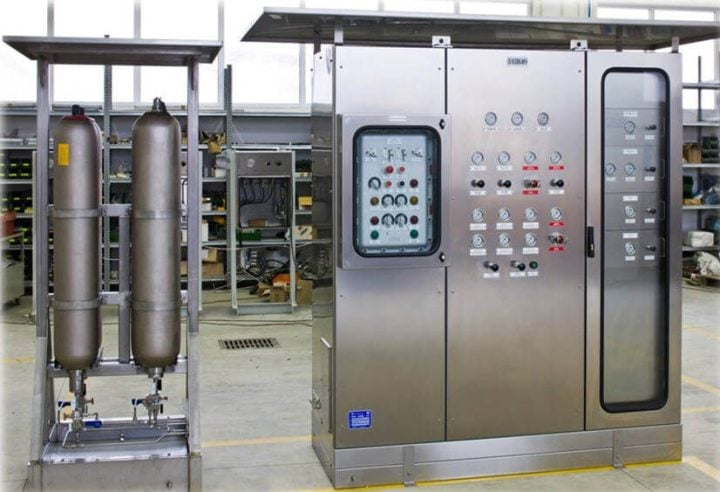
A Wellhead Control Panel (WHCP) is one of the most important systems in oil & gas production. For instrument technicians, understanding how a WHCP works is essential because this panel directly controls the safety valves that protect the well, the platform, and the personnel working on it.
WHCP is used on both offshore and onshore wellheads, and it acts as the “brain” of the hydraulic & pneumatic safety system. If something goes wrong — high pressure, low pressure, fire, gas leak, or ESD — the WHCP is responsible for shutting the well down safely.
What a WHCP Does ?
A WHCP performs four main functions:
- Provides hydraulic pressure to open and close wellhead valves
- Provides Pneumatic pressure to supply or send logic signals
- Controls critical safety valves, such as:
- SSV (Surface Safety Valve)
- SCSSV (Subsurface Safety Valve)
- Wing Valve
- Choke Valve
- Executes shutdown logic when abnormal conditions occur
In simple terms: WHCP keeps the well open when everything is normal, and closes it instantly when something goes wrong.
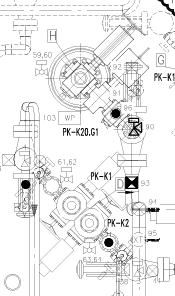
Main Components of a WHCP
A typical WHCP contains:
- General / pneumatic Facilities -generates pneumatic or logic signal
- Hydraulic Power Unit (HPU) – generates hydraulic pressure
- Accumulator bottles – store pressurized hydraulic fluid
- Pressure gauges – show hydraulic pressure for each valve
- Regulators – control pressure levels
- Solenoid valves – receive signals from PLC/ESD
- Manual valves – for local operation
- Shutdown valves – isolate hydraulic lines
- Panel indicators – show valve status (open/close)
Each component plays a role in keeping the well safe and operational depending on what type the WHCP is.
How the Hydraulic System Works
Hydraulic systems in WHCP usually have:
- High-pressure line (to open SCSSV)
- Low-pressure line (to open SSV, Wing Valve, Choke)
- Return line (fluid back to tank)
How valves open:
- Hydraulic pressure is applied
- Valve actuator receives pressure
- Valve moves to OPEN position
How valves close:
- Pressure is removed
- Spring or fail-safe mechanism closes the valve
- Valve moves to CLOSE position
This is why hydraulic leaks are dangerous — they can cause unintended shutdowns.
How General/Pneumatic/Shutdown Logic Works
WHCP receives signals from:
- ESD system
- Fire & Gas system
- PLC
- Pressure switches
- Manual push buttons
Normal condition:
- Hydraulic pressure is stable
- All valves remain open
Trip condition:
When a shutdown signal is received:
- Solenoid valves de-energize
- Hydraulic pressure drops
- SSV closes
- SCSSV closes
- Wing valve closes
- Choke valve closes
The sequence depends on the design, but the goal is always the same: Close the well safely and quickly.
Common Problems & Troubleshooting
1. Low hydraulic pressure
- Check accumulator pre-charge
- Check pump
- Check leaks
2. Solenoid coil failure
- Measure coil resistance
- Check wiring
- Replace coil if needed
3. Accumulator leak
- Check nitrogen pre-charge
- Inspect bladder
4. Valve not closing
- Check hydraulic line
- Check actuator
- Check solenoid
5. Gauge mismatch
- Calibrate gauge
- Check manifold blockage
Field Tips for Instrument Technicians
- Check hydraulic pressure daily
- Inspect accumulator weekly
- Test solenoid valves regularly
- Verify shutdown logic during maintenance
- Always follow permit-to-work
- Never bypass safety valves without approval
Understanding how a WHCP works is one of the most important skills for instrument technicians. The more familiar you are with the hydraulic system, shutdown logic, and troubleshooting steps, the safer and more confident you’ll be in the field.
This article is the foundation of InstrumentTechPro — and many more technical guides will follow.